

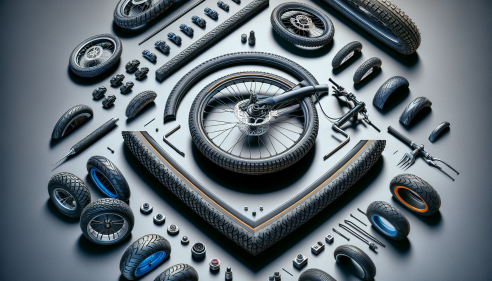
If you’ve recently discovered the joys of electric biking or are considering joining the e-bike revolution, understanding the different tire options and wheel sizes available can greatly enhance your riding experience.
Whether you’re seeking a smoother ride on rough terrains or yearning for increased speed and maneuverability, this is a guide to e-bike tires and wheel sizes.
From explaining the advantages of larger wheels to providing insights into tire compounds and tread patterns, we’ve got all the essential information to ensure you make the right choices for your e-bike adventures.
So get ready to ride with confidence and discover the perfect tires and wheel sizes for your electric bike.
Understanding E-Bike Tires
When it comes to choosing the right tires for your e-bike, it’s important to understand the different aspects that play a role in determining their performance.
From tire types to tread patterns, tire pressure to wheel sizes, there are various factors to consider.
In this comprehensive guide, we will delve into each of these aspects to help you make an informed decision and ensure the best riding experience possible.
Choosing the Right Tire Type
The first consideration when it comes to e-bike tires is the type. There are two primary types of e-bike tires to choose from: slick tires and knobby tires.
Slick tires, as the name suggests, feature a smooth surface with no tread pattern. These tires are ideal for riding on paved roads and offer low rolling resistance, which means you’ll experience less drag and better speed.
Knobby tires, on the other hand, are designed with deeper tread patterns. These tires are perfect for off-road adventures as they provide superior traction and grip on loose and uneven terrain.
Tire Width and Its Impact
The width of the tire plays a significant role in determining its performance. Wider tires offer better stability and traction, especially when riding off-road. They can absorb shocks and bumps more effectively, allowing for a smoother ride.
On the other hand, narrower tires are lighter and provide less rolling resistance, making them ideal for road cycling and commuting where speed is key.
It’s important to strike a balance between width and your specific riding needs to ensure optimal performance.
Tire Tread Patterns
The tread pattern of an e-bike tire influences its grip and traction on various terrains. Tires with a smooth tread pattern, such as slick tires, are best suited for riding on paved roads, providing excellent cornering capabilities.
On the other hand, tires with a knobby tread pattern excel in off-road conditions, offering superior traction on loose surfaces.
Additionally, there are tires with hybrid tread patterns that combine elements of both slick and knobby tires, providing versatility for riders who enjoy a mix of road and off-road cycling.
Tire Pressure and Its Importance
Maintaining the correct tire pressure is crucial for optimal performance and safety. Proper tire pressure affects comfort, traction, and rolling resistance.
Overinflated tires can result in a harsh ride, reduced traction, and increased risk of punctures. Underinflated tires, on the other hand, can lead to a sluggish ride, decreased efficiency, and increased likelihood of pinch flats.
It’s important to check your tire pressure regularly and inflate them according to the manufacturer’s recommendations for the best riding experience.
Different E-Bike Wheel Sizes
E-bike wheel sizes vary, and understanding the differences between them is essential for selecting the right tires. Here are some common wheel sizes found on e-bikes.
26-inch Wheels
26-inch wheels were the standard for mountain bikes for many years. They offer excellent maneuverability and are suitable for riders who enjoy technical trails and aggressive riding.
However, their smaller diameter can result in slightly less stability and rolling efficiency compared to larger wheel sizes.
27.5-inch Wheels
Also known as 650b wheels, the 27.5-inch size provides a middle ground between the nimbleness of 26-inch wheels and the stability of 29-inch wheels.
They offer improved rollover capabilities compared to 26-inch wheels, making them a popular choice for trail riding.
27.5-inch wheels strike a balance between agility and stability, making them versatile for various terrains.
29-inch Wheels
29-inch wheels, also referred to as 29ers, have gained popularity in recent years, especially among cross-country and trail riders.
These larger wheels provide enhanced stability, smoother roll-over, and better traction, making them ideal for tackling technical terrain and longer rides. They offer a more comfortable and efficient ride, particularly on rough surfaces.
700C Wheels
700C wheels are commonly found on road bikes and hybrid e-bikes. These wheels have a larger diameter than 26-inch and 27.5-inch wheels, allowing for increased speed and better rolling efficiency on paved roads.
700C wheels are designed for high-speed performance, making them a popular choice for road cyclists and commuters.
Factors to Consider When Choosing E-Bike Tires
When selecting e-bike tires, several factors come into play. It’s important to consider these factors to ensure that the tires you choose match your riding style, terrain, weather conditions, weight and load, as well as desired speed and efficiency.
Type of Riding
The type of riding you primarily engage in should heavily influence your tire choice. Choose tires that are specifically designed for your preferred riding style, whether it be road cycling, mountain biking, commuting, or touring.
Each type of riding has unique demands, and selecting tires optimized for your chosen discipline will enhance your overall experience.
Terrain
Consider the terrain you typically encounter on your rides. If you mostly ride on paved roads or smooth trails, tires with minimal tread patterns or slick tires will provide excellent performance.
On the other hand, if you frequently ride on loose or uneven surfaces, knobby tires with aggressive tread patterns will deliver the necessary traction and grip for off-road adventures.
Weather Conditions
Take into account the typical weather conditions you encounter during your rides. If you often find yourself cycling in wet or rainy conditions, look for tires with special tread patterns that offer enhanced grip on slippery surfaces.
Additionally, some tires are specially designed for winter riding, providing superior traction on snow and ice. Consider factors like water dispersion and grip when choosing tires for specific weather conditions.
Weight and Load
Your weight, along with any additional load you typically carry, should be considered when selecting e-bike tires. Heavier riders may require tires with higher load ratings to ensure optimal performance and durability.
Similarly, if you frequently carry additional weight on your e-bike, such as panniers or cargo, selecting tires designed for heavier loads is crucial for safety and longevity.
You may also be interested in our Fanttik X9 Ace Bike Tire Pump Review
Desired Speed and Efficiency
If speed and efficiency are your primary concerns, narrower tires with minimal rolling resistance are the way to go. These tires are designed for high-speed performance, allowing you to cover more ground with less effort.
However, keep in mind that narrower tires sacrifice some stability and traction, so consider the trade-off based on your riding preferences.
Tubeless vs. Tube-Type Tires
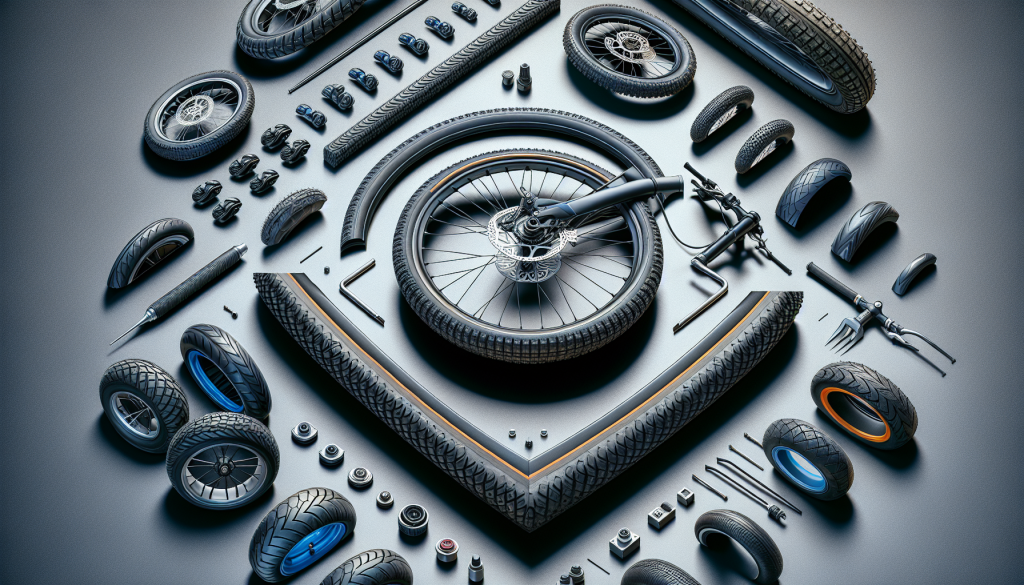
Another consideration when choosing e-bike tires is whether to opt for tubeless or tube-type tires. Each option comes with its advantages, and the decision ultimately depends on your specific needs and preferences.
Advantages of Tubeless Tires
Tubeless tires have gained popularity in recent years due to their numerous advantages. The absence of an inner tube eliminates the risk of pinch flats, as well as reduces rolling resistance for a faster ride.
Tubeless tires also allow for lower tire pressure, providing enhanced traction and a more comfortable ride.
Additionally, they have the ability to self-seal small punctures, minimizing the chances of a flat tire.
Advantages of Tube-Type Tires
While tubeless tires offer many benefits, tube-type tires still have their advantages. Tube-type tires are generally more affordable, making them a suitable option for riders on a budget.
Additionally, they are easier to install and repair due to the presence of an inner tube.
In the event of a puncture, replacing or patching the inner tube is relatively straightforward, making temporary fixes more convenient.
Factors to Consider When Choosing
When deciding between tubeless and tube-type tires, consider factors such as your riding style, terrain, desired performance, and maintenance preferences.
Tubeless tires are favored by off-road riders looking for enhanced traction and reduced risk of flats, while tube-type tires may be more suitable for those on a limited budget or riders who prioritize ease of installation and repair.
How to Measure E-Bike Tires
Accurately measuring your e-bike tires is essential when it comes time to replace them or select new ones. The two key measurements to determine are the wheel diameter and the tire width.
Determining Wheel Diameter
To measure the wheel diameter, start by removing the tire from the wheel. Using a tape measure, measure the diameter from one end of the rim to the other, passing through the center of the wheel.
The resulting measurement will indicate your e-bike’s wheel size, such as 26 inches, 27.5 inches, 29 inches, or 700C.
Measuring Tire Width
To measure the tire width, start by removing the tire from the e-bike’s wheel. Lay the tire flat on the ground and place a ruler or tape measure across the widest part of the tire.
The measurement will give you the tire width, which is typically indicated in millimeters. Ensure that the replacement or new tire you choose matches the width of your original tire for optimal performance.
Check out this great article from our friends at Electric Bike Paradise: The Complete Handbook to Rim Sizes, Tires, and Brakes
Tire Maintenance and Longevity
Proper maintenance of your e-bike tires plays a crucial role in ensuring their longevity and performance.
By following a few key practices, you can maximize the lifespan of your tires and minimize the chances of encountering issues on your rides.
Proper Inflation and Checking Pressure
Maintaining the correct tire pressure is essential for optimal performance and safety. You should regularly check the tire pressure using a reliable pressure gauge and inflate them according to the manufacturer’s guidelines.
Underinflated tires can lead to increased rolling resistance, reduced traction, and the risk of pinch flats. Overinflated tires, on the other hand, can result in a harsh ride and diminished shock absorption.
By keeping your tires properly inflated, you can experience a smoother ride and extend the lifespan of your tires.
Tire Rotation
Rotating your e-bike tires periodically can help ensure even wear and prolong their lifespan. Front and rear tires experience different forces and wear patterns, so by rotating them, you distribute the wear more evenly.
This practice can also help maintain consistent handling and traction throughout the life of your tires.
Regular Inspection for Damage
Regularly inspecting your e-bike tires for damage, such as cuts, punctures, or sidewall wear, is essential for identifying potential issues before they become a major concern.
Inspect the tread pattern for signs of wear and check for any visible damage. If you notice any significant damage or excessive wear, it may be time to replace your tires to maintain optimal performance and safety.
Replacing Worn-Out Tires
Eventually, the time will come to replace your e-bike tires. As a general guideline, tires should be replaced when the tread is worn down to the wear indicators, which are small raised bars embedded within the tread grooves.
Additionally, if you notice significant damage, such as cuts or tears, or experience repeated punctures, it is a clear sign that your tires need to be replaced.
Always choose tires that are suitable for your specific riding needs and terrain to ensure the best performance and safety.
Choosing the Right Tires for Electric Mountain Bikes
Electric mountain bikes (e-MTBs) have gained popularity for their ability to conquer various off-road terrains with ease. When it comes to choosing tires for your e-MTB, there are several important factors to consider.
Factors to Consider for Off-Road Riding
Off-road riding places unique demands on tires, and selecting the right ones can greatly enhance your e-MTB experience.
Look for tires with aggressive tread patterns designed to provide maximum traction and grip on loose and rugged surfaces.
Consider factors such as the depth and spacing of the treads, as well as the type of rubber compound used, as these factors greatly influence the tire’s performance on different terrains.
Tire Width for Traction and Stability
For off-road riding, wider tires are generally preferable due to their increased traction and stability.
Wider tires provide a larger contact patch with the ground, allowing for better grip on loose surfaces. They also provide improved stability, especially when navigating technical sections or descents.
However, it’s important to strike a balance between width and rolling efficiency, as excessively wide tires can create added rolling resistance on smoother surfaces.
Tubeless or Tube-Type for Mountain Biking
When it comes to mountain biking, both tubeless and tube-type tires have their advantages.
Tubeless tires are an excellent choice for e-MTBs as they offer reduced risk of pinch flats and the ability to run lower tire pressures, enhancing traction and comfort.
Tubeless tires also provide improved puncture resistance, which is crucial when tackling rugged terrains.
However, if you prefer the convenience and ease of installation and repair, tube-type tires may be a more suitable option.
Consider your riding style, terrain, and personal preferences when deciding between tubeless and tube-type for mountain biking.
Best E-Bike Tires for Commuting
Commuting on an e-bike requires tires that prioritize smooth and fast-rolling performance while providing puncture resistance and durability. Here are some factors to consider when selecting tires for commuting.
Smooth and Fast-Rolling Tires
For commuting purposes, tires with a smooth tread pattern or minimal tread are ideal. These tires offer lower rolling resistance, allowing you to maintain higher speeds with less effort.
Look for tires designed specifically with commuting in mind, as they often feature a specialized rubber compound that emphasizes durability and efficiency on paved roads.
Puncture Resistance and Durability
When commuting, the last thing you want is to encounter a flat tire, which can greatly disrupt your journey. Therefore, selecting tires with puncture-resistant features is essential.
Look for tires with reinforced sidewalls, additional layers of protection, or specialized casing materials that offer increased resistance to punctures.
Additionally, durability is crucial for long-term commuting, so choose tires made from long-lasting materials that can withstand the rigors of daily riding.
Suitable Tread Patterns for City Streets
While a smooth tread pattern is preferred for commuting, some tread can still be beneficial, especially in wet weather conditions.
Look for tires with minimal tread patterns or shallow grooves that provide added grip on wet or slick roads. This will help ensure a safe and confident ride, even when faced with challenging weather conditions.
Strike a balance between reduced rolling resistance and sufficient traction for your specific commuting needs.
E-Bike Tires for Road Cycling
For those who primarily ride on paved roads and prioritize speed and efficiency, selecting the right tires is crucial. Here’s what to consider when choosing e-bike tires for road cycling.
Choosing Tires for High-Speed Performance
Road cycling demands tires that prioritize speed and low rolling resistance. Look for tires with a slick or semi-slick tread pattern, as they minimize drag and allow for smooth, fast-rolling performance on paved surfaces.
Additionally, consider tires with a supple casing that absorbs road vibrations and enhances comfort during long rides.
Tires designed for high-speed performance often feature lightweight materials and puncture-resistant layers to strike a balance between speed and durability.
Optimal Tire Width for Road Riding
When it comes to road riding, tire width is an important consideration. Narrower tires are generally favored for road cycling as they offer reduced rolling resistance and enhanced aerodynamics.
Look for tires with widths in the range of 23mm to 28mm for optimal road performance. Thinner tires allow for faster acceleration and better responsiveness, making them ideal for riders seeking to maximize their speed on paved roads.
Specialized Road Bike Tires
Another option to consider for road cycling is specialized road bike tires. These tires are specifically designed for high-speed performance and are often used by competitive road cyclists.
They feature ultra-thin widths, typically ranging from 18mm to 25mm, to reduce rolling resistance to the minimum.
Additionally, road bike tires often employ lightweight materials and advanced construction techniques to optimize aerodynamics and minimize weight.
Selecting Tires for E-Bike Touring
E-bike touring allows you to embark on long-distance adventures, often on a variety of terrains.
When choosing tires for e-bike touring, it’s important to consider factors such as durability, puncture resistance, balance between speed and comfort, and enhanced stability.
Durable and Puncture-Resistant Tires
Durability is crucial for e-bike touring, as you’ll likely encounter various road conditions and terrains over long distances. Look for tires made from durable materials and featuring robust construction.
Additionally, prioritize tires with puncture-resistant features, such as reinforced sidewalls, anti-puncture belts, or specialized casing materials. These features will help minimize the risk of flats and ensure a trouble-free journey.
Balancing Speed and Comfort
E-bike touring often involves spending long hours in the saddle, covering significant distances. Therefore, it’s essential to strike a balance between speed and comfort when selecting tires.
Look for tires with a smooth or semi-slick tread pattern that offers reduced rolling resistance and increased efficiency on paved and hard-packed surfaces.
Additionally, choose tires with a supple casing that absorbs vibrations and enhances comfort, allowing you to maintain a steady pace throughout your journey.
Wide Tires for Enhanced Stability
When embarking on e-bike tours, stability is crucial, especially when encountering unforeseen obstacles or riding on challenging terrains. Consider wider tires for enhanced stability and control.
Wide tires provide a larger contact patch with the ground, improving grip and traction on loose or uneven surfaces.
They also offer increased shock absorption, resulting in a more comfortable ride, particularly on long-distance journeys.
A Guide To E-Bike Tires and Wheel Sizes – Conclusion
In conclusion, understanding the different aspects of e-bike tires and wheel sizes is crucial to ensure the best riding experience.
By considering factors such as tire type, width, tread pattern, and pressure, as well as the appropriate wheel size, you can select tires that match your riding style, terrain, and specific needs.
Whether you’re into off-road adventures, road cycling, commuting, or touring, there’s a perfect set of e-bike tires out there waiting to enhance your ride.
Remember to prioritize factors such as puncture resistance, durability, and comfort to maximize performance and extend the lifespan of your tires.
Choose wisely, hit the road, and enjoy the exhilarating experience that e-biking has to offer.