

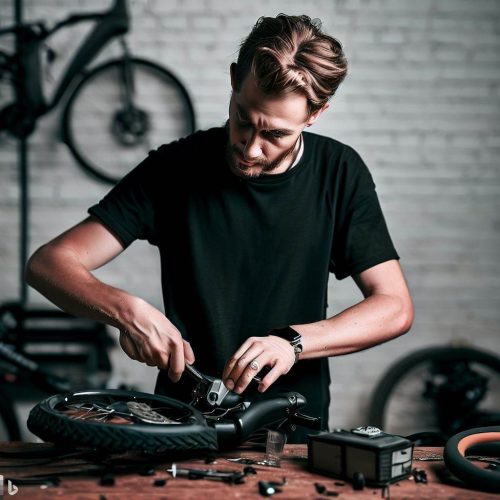
Improve the longevity and performance with these 8 essential DIY maintenance tips for your electric bike. Discover essential tips on battery care, tire maintenance, brake system upkeep, and more.
Hello eBike enthusiasts! If you’ve made the exciting switch to electric, you’ll know that keeping your ride in top condition is essential for long-lasting performance.
The key here is regular electric bike maintenance. But don’t worry, you don’t need to be a certified mechanic to take care of your eBike.
In fact, there are many aspects of DIY eBike care that you can handle on your own, which can save you money and also increase your understanding of your electric bike’s working mechanism.
Understanding the Basics of Your Electric Bike
Before diving into maintenance, let’s take a moment to understand the core components of your eBike. Key parts include the battery, motor, drivetrain, brakes, tires, and electronics.
Each part plays a vital role in delivering the performance you expect from your electric bike.
General Cleaning and Maintenance
The first line of defense in electric bike maintenance is general cleaning. Just like any other piece of machinery, an eBike works best when it’s clean and well-lubricated.
Regular cleaning can prevent the accumulation of dirt, grime and other debris, which could cause wear and tear to the various components of your eBike over time.
Tools and Materials Needed:
Here’s what you’ll need for a thorough eBike cleaning:
Soft-bristle brush or sponge
Biodegradable cleaning solution or mild soapy water
Water hose or a bucket of water
Dry cloth or towels
Bicycle lubricant
Step-by-step Cleaning Guide:
Follow these simple steps to clean your eBike:
Prep Your eBike: Before you begin, make sure to remove the battery (if possible) and cover all the electrical components, including the motor and display, to avoid any water damage.
Brush Off Debris: Use your soft-bristle brush or sponge to gently brush off any mud, dirt, or debris stuck on your eBike. Make sure to get into the nooks and crannies where dirt often gets trapped.
Apply Cleaning Solution: Mix your biodegradable cleaner with water and apply it to the bike. Use your brush or sponge to gently scrub the frame and parts, working from top to bottom.
Rinse: Rinse off the cleaning solution thoroughly using a hose or a bucket of water. Make sure not to directly spray water into any electrical parts.
Dry: Use a dry cloth or towel to dry off your bike. To ensure all parts are completely dry, it’s best to leave your eBike in a warm, well-ventilated area for a few hours.
Lubricate: After your eBike is fully dry, apply a bicycle-specific lubricant to the chain, derailleur, and any other moving parts. Lubrication not only helps these parts move smoothly, but also offers protection against rust and wear.
Post-cleaning Maintenance:
After cleaning, perform a quick check to ensure all parts are functioning correctly. Test the brakes, ensure the tires are properly inflated, and check that the drivetrain is running smoothly.
Cleaning provides a great opportunity to spot any potential issues early on, allowing you to fix them before they become significant problems.
Remember, regular cleaning not only improves your eBike’s performance, but it also gives you an opportunity to understand your bike better.
The more familiar you are with your eBike, the easier it will be to spot potential issues and carry out necessary repairs.
Battery Care and Maintenance
Your electric bike’s battery is one of its most vital components. Proper care and maintenance are crucial to ensure it continues to function optimally and to prolong its lifespan.
Here, we delve into the details of how to look after your eBike’s battery.
Proper Charging:
Proper charging practices play a significant role in preserving the battery’s health. Here are some key guidelines to follow:
Regular Charging: Regularly charging your eBike’s battery after each use helps maintain its capacity. Avoid draining the battery completely before recharging; lithium-ion batteries, which most eBikes use, prefer frequent partial charges to full discharges.
Avoid Overcharging: While most modern batteries come with a built-in mechanism that prevents overcharging, it is still advisable to unplug the battery once it is fully charged. Overcharging can lead to decreased battery performance over time.
Use the Right Charger: Always use the charger provided by your eBike manufacturer. Different batteries require different charging voltages, and using an incorrect charger could damage your battery.
Storing Your Battery:
How and where you store your battery can also impact its lifespan:
Temperature: Store your battery in a cool and dry place, away from direct sunlight. Extreme temperatures, both hot and cold, can negatively impact your battery’s lifespan.
Charge State: If you won’t be using your eBike for an extended period, it’s best to store the battery at about 60-80% charge. Fully charged or completely drained batteries could lose capacity if left unused for long periods.
Battery Replacement:
Despite your best maintenance efforts, batteries do degrade over time. Signs that it might be time for an eBike battery replacement include a noticeable decrease in the range per charge, slower speeds, or the battery not holding its charge as it used to.
In such cases, consult your eBike supplier or a professional for battery replacement.
Regular battery care for electric bikes can significantly enhance your eBike’s performance and extend the life of the battery. So, make sure to incorporate these practices into your regular eBike maintenance routine.
Here’s another great article from our friends at REI: Intro to Electric Bike Maintenance
Motor and Drivetrain Maintenance
The motor is the heart of your electric bike, and the drivetrain is the circulatory system. These two components play a vital role in ensuring a smooth and efficient ride. Thus, it’s important to know how to maintain them to keep your eBike in top shape.
Motor Maintenance:
Electric bike motors are generally maintenance-free. However, there are a few things to keep in mind:
Keep It Clean: Dirt and grime can build up on the motor casing over time. Clean the outside of the motor regularly using a damp cloth and mild soap.
Listen for Noises: Unusual noises can be an early sign of a problem. If you hear grinding, clicking, or any other out-of-the-ordinary sound, it’s time to consult a professional.
Don’t attempt to open or fix the motor yourself, as it may void your warranty.
Drivetrain Maintenance:
The drivetrain – including the chain, derailleur, and gears – requires regular care:
Clean and Lubricate: Over time, the chain can accumulate dirt and may start to rust. Clean it using a chain cleaning tool and a specific chain cleaner, and then lubricate it using bike chain lube.
Apply the lube to the inside of the chain while slowly turning the pedals backward, and then wipe off the excess with a clean rag.
Inspect and Adjust: Regularly check your drivetrain for wear and tear. Look out for stretched chain links, bent derailleur hangers, and worn-out gears.
If shifting gears has become challenging or noisy, it might be time for an adjustment. You can adjust the derailleur yourself, but if you’re not confident, it’s better to consult a professional.
Replace When Necessary: All components of the drivetrain have a lifespan. The chain, for instance, should typically be replaced every 2,000 to 3,000 miles, depending on your riding conditions and maintenance habits.
Proactive motor and drivetrain maintenance can prevent costly repairs and ensure your eBike continues to deliver top-notch performance.
Remember, regular inspections and timely replacements are the keys to a well-maintained eBike.
Brake System Maintenance
An efficiently functioning brake system is crucial for the safety of any bicycle, especially an electric bike that can reach higher speeds than traditional bikes. Regular brake maintenance can keep your eBike responsive and safe.
Types of Brakes:
Electric bikes typically come with two types of brakes: disc brakes and rim brakes. Both require regular maintenance but the process differs slightly between the two.
Disc Brakes:
Disc brakes provide excellent stopping power and work well in various weather conditions. Here’s how to maintain them:
Inspect the Pads: Regularly check the thickness of your brake pads. If they are worn down to less than 1mm, it’s time for a replacement.
Clean the Rotors: Use a specific disc brake cleaner to wipe down the rotors and keep them free of dirt and oil.
Check for Scratches or Damage: If you notice any significant scratches or damage on the rotor, consider replacing it.
Rim Brakes:
Rim brakes, or V-brakes, are more common on lower-cost eBikes. Here’s how to care for them:
Inspect the Pads: Just like with disc brakes, check the thickness of your brake pads. Replace them if the grooves in the pads are worn down or if the pad is less than 1mm thick.
Clean the Rims: Clean the rims regularly to remove any dirt or debris, which could impair braking performance and cause wear to the brake pads.
Adjust Brake Cables: If your brakes feel loose, it might be due to stretched cables. Tighten them until you feel a firm response when you apply the brakes.
Brake System Replacement:
Brake pads wear down over time and need replacing, usually between 6 months and 12 months, depending on how frequently you ride and in what conditions.
If your brakes are squeaking, this could be a sign they need replacing. Always replace both the front and rear brake pads at the same time to ensure consistent braking power.
Remember, brake system maintenance isn’t just about improving your eBike’s performance—it’s about ensuring your safety while riding.
If you’re unsure about anything, consult with a professional to help with brake maintenance or replacement.
Tire Maintenance and Puncture Prevention
Tire maintenance is another essential aspect of keeping your electric bike in top condition. Well-maintained tires not only offer a smoother ride but also reduce the risk of punctures and improve the bike’s overall efficiency.
Checking and Maintaining Tire Pressure:
Maintaining optimal tire pressure is crucial for your eBike’s performance and your safety. Here’s how to do it:
Check Regularly: Use a bike tire pressure gauge to check the pressure regularly. The recommended pressure is usually indicated on the tire’s sidewall.
Adjust Pressure Accordingly: If the pressure is too high, let some air out. If it’s too low, use a bike pump to add air. Remember that tire pressure can fluctuate with temperature changes, so adjust accordingly.
Inspecting Tires for Wear and Tear:
Regularly inspect your tires for signs of wear and tear:
Check Tread Depth: A worn-out tread can reduce traction and increase the risk of punctures. If the tread is noticeably worn or the tire has become smooth, consider replacing the tire.
Look for Damage: Inspect the tire for cuts, cracks, or bulges. These could lead to a sudden tire failure while riding.
Puncture Prevention and Repair:
Punctures can be a nuisance, but there are ways to prevent them and to deal with them when they occur:
Puncture-Resistant Tires and Tubes: Consider investing in puncture-resistant tires and tubes. They might be slightly heavier, but the extra weight is often worth the peace of mind.
Tire Sealants: Tire sealants can automatically seal punctures as they happen. They are usually poured into the tire through the valve.
Repair Kits: Always carry a puncture repair kit, which should include tire levers, patches, an abrasive pad, and a tube of glue.
In summary, tire maintenance and puncture prevention are crucial aspects of eBike maintenance. By taking a few simple steps, you can keep your eBike running smoothly and reduce the likelihood of a frustrating flat tire.
You may also be interested in How to Maintain Your E-Bike.
Checking and Maintaining eBike Electronics
The electronic components of your eBike—like the display, lights, sensors, and wiring—are integral to its operation and performance.
Regular maintenance and checks can help you spot any potential issues early and ensure a smooth, trouble-free ride.
Lighting and Display:
Your eBike’s lights and display are essential for safe riding, especially in low light conditions.
Check Regularly: Regularly inspect your lights to ensure they’re working properly. Check your headlight, taillight, and any other lights fitted to your bike.
Cleanliness: Keep your lights and display clean. Dirt and grime can reduce visibility and light intensity.
Battery Life: Be aware of your light’s battery life. If they start to dim earlier than usual, it might be time to replace the batteries or recharge them.
Sensors and Wiring:
The sensors and wiring of your eBike are critical for its proper functioning:
Inspect Wiring: Regularly check your eBike’s wiring for any signs of wear and tear, fraying, or damage. Ensure all the connections are secure and there are no loose wires.
Sensor Check: Sensors, including speed and pedal sensors, should be kept clean and checked for proper functioning.
Software Updates:
Like any modern electronic device, your eBike’s electronic system may periodically need software updates:
Stay Updated: Ensure your eBike’s software is always up to date. Updates often include bug fixes and new features that can improve the performance and safety of your eBike.
Professional Help:
While basic electronic checks and maintenance can be done at home, some issues might require professional help:
Complex Issues: If you’re facing electronic problems that you can’t identify or fix, it’s best to consult a professional.
Trying to fix complex electronic issues yourself could cause more harm than good.
By regularly checking and maintaining your eBike electronics, you can ensure a smooth and safe ride every time.
Remember, prevention is always better than cure—especially when it comes to eBike maintenance.
Common Troubleshooting for Electric Bikes
Even with regular maintenance, you might encounter some common issues with your electric bike. However, with a little knowledge, you can troubleshoot and resolve many of these problems yourself.
Motor Isn’t Running:
If your motor isn’t running, the problem might be related to the battery, wiring, or motor controller:
Battery Check: Make sure the battery is charged and properly connected. Also, inspect it for any visible damage or wear and tear.
Wiring Inspection: Check the wiring for any loose connections or frayed cables that might be interrupting power flow.
Motor Controller: A malfunctioning motor controller can also cause the motor to stop running. If you suspect this might be the issue, it’s best to seek professional help.
Reduced Battery Life:
If your battery isn’t lasting as long as it should, there might be several possible explanations:
Battery Age: Batteries degrade over time, and their capacity to hold charge reduces. If your battery is older, it might be time for a replacement.
Charging Habits: Consistently overcharging or undercharging the battery can shorten its lifespan. Aim to keep the battery between 20% and 80% charged for optimal battery health.
Temperature: Extreme temperatures can affect battery performance. If it’s too hot or too cold, the battery may not perform optimally.
Unusual Noises:
If your eBike is making unusual noises, it’s typically a sign that something needs attention:
Squeaking or Grinding: These sounds might indicate an issue with the brakes, chain, or drivetrain. Inspect these parts for any visible issues and perform necessary cleaning, lubrication, or adjustments.
Clicking or Knocking: These sounds might indicate a problem with the motor or bearings. If you can’t identify the issue, seek professional help.
Remember, while these troubleshooting tips can help you address common issues, don’t hesitate to consult a professional if you’re unsure.
Regular maintenance combined with quick troubleshooting can keep your eBike running smoothly and safely.
When to Seek Professional Help
While a lot can be accomplished with DIY maintenance, there are times when professional help for electric bikes is necessary.
Complex electronics issues, motor problems, or extensive brake system repairs should be handled by a professional eBike mechanic to avoid damaging your bike.
FAQ Section
Q: How often should I perform maintenance on my electric bike?
A: The frequency of maintenance depends on how often you use your eBike. As a general rule, you should do a quick check of your eBike before every ride, looking at tire pressure, brakes, and battery charge.
Detailed maintenance, such as cleaning, lubricating, and checking the drivetrain, should be done every few weeks or every few hundred miles.
Q: When should I replace my eBike’s battery?
A: eBike batteries typically last 3-5 years or around 500-1000 full charge cycles, depending on the type and quality of the battery and how well it’s maintained.
However, if you notice significant drops in performance or battery life, it might be time to replace it even if it hasn’t reached these milestones.
Q: How do I know if my brakes need maintenance?
A: If your brakes aren’t as responsive as they should be or if they’re making squeaking or grinding noises, they likely need maintenance.
Regularly check the brake pads for wear and replace them when needed. Also, keep an eye on the brake cables and adjust or replace them as necessary.
Q: What should I do if my eBike’s motor stops working?
A: First, check the basics: ensure the battery is charged and properly connected, and inspect the wiring for any loose connections or damage.
If you can’t identify the issue, it’s best to seek professional help as the problem could be related to the motor controller or another complex component.
Q: What can I do to prevent punctures?
A: Regularly checking your tires for wear and tear and maintaining the proper tire pressure can go a long way in preventing punctures. You can also consider investing in puncture-resistant tires or using a tire sealant for extra protection.
Q: How often should I clean my eBike?
A: Ideally, you should clean your eBike every few weeks or after any ride in wet or muddy conditions. Regular cleaning helps prevent dirt and grime buildup, which can affect the performance and lifespan of various components.
Q: Do I need to update the software on my eBike?
A: Some modern eBikes may need periodic software updates to improve performance or fix bugs. Check with your eBike’s manufacturer for specific details.
Q. Can I use any kind of lubricant on my eBike chain?
A: Always use a bicycle-specific lubricant. It is designed to withstand the conditions that a bike chain usually operates under.
DIY Maintenance Tips for Your Electric Bike – Conclusion
In conclusion, maintaining your electric bike doesn’t need to be a complex or time-consuming task. With the right information and tools at your disposal, you can keep your eBike in peak condition, prolong its lifespan, and enjoy smoother, safer rides.
Through our discussion, we’ve learned that each component of your eBike, whether it’s the battery, motor, drivetrain, brakes, tires, or electronics, plays a crucial role in the bike’s performance and requires specific care.
Regular cleaning is vital to prevent buildup of dirt and grime, while the battery needs mindful charging and storage habits to prolong its life.
Understanding your bike’s drivetrain, and maintaining it with correct adjustment and lubrication, can result in a better pedaling experience and fewer repairs.
Proper attention to the braking system ensures your safety while riding, and taking care of your tires not only gives you a smoother ride but can also help prevent annoying and potentially risky punctures.
Being aware of the state of your eBike’s electronics can help you catch potential issues early and knowing when and how to troubleshoot common problems can save you time and energy.
However, while a DIY approach is beneficial, it’s important to acknowledge when a problem might be out of your depth and when to seek professional help.
Remember, the key to successful DIY electric bike maintenance is regularity. A little bit of attention and care on a consistent basis can go a long way in preventing problems down the line.
So, equipped with these maintenance tips, it’s time to roll up your sleeves, get your hands a little dirty and give your eBike the TLC it deserves. Happy riding!