

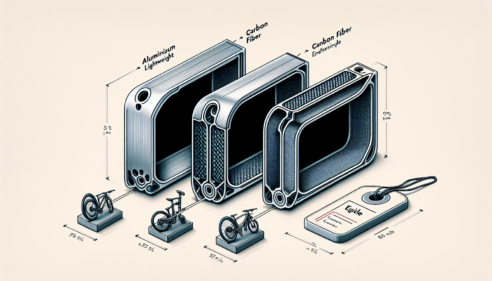
Want to hop on the e-bike trend but not sure which frame material to choose? Look no further! In this article, we will explore the pros and cons of different ebike frame materials.
Whether you’re considering aluminum, steel, carbon fiber, or titanium, we’ve got you covered. Get ready to discover the key factors to consider when selecting the perfect frame material for your electric bike. Let’s dive in!
Steel

Steel, a traditional material in bike frame construction, has unique characteristics that continue to make it a relevant and cherished choice in the e-bike world.
Its distinct blend of durability, ride quality, and repairability makes it a favored option for certain types of e-bikes and riders.
Here’s a more detailed look at steel frames and what they offer to the e-bike experience.
Properties of Steel
- Strength and Durability: One of the standout features of steel is its exceptional strength and durability. Steel frames can endure significant stress and strain, making them a long-lasting option for e-bike users. This durability is particularly beneficial given the extra weight and forces exerted by an e-bike’s motor and battery.
- Flexibility: Unlike the rigidity of aluminum, steel has a natural flexibility, which contributes to a comfortable ride. This flexibility allows the frame to absorb road vibrations, resulting in a smoother experience, especially on uneven surfaces.
- Repairability: Steel’s ability to be easily welded and repaired in the field makes it a practical choice, especially for riders who take long trips or those who prefer a material that can be fixed in various settings without needing specialized equipment.
Weight Considerations
- Heavier than Aluminum: The primary drawback of steel is its weight. Steel frames are heavier than their aluminum counterparts, which can be a significant factor in an e-bike where battery and motor weight are already considerations. However, for many riders, the trade-off in weight is worth the gains in ride quality and durability.
Ride Quality
- Comfort: The natural compliance of steel provides a notably comfortable ride. For long-distance touring or leisurely rides, this can make a considerable difference in rider fatigue and enjoyment.
- Handling: Steel frames offer a sense of groundedness and stability, often described as a “springy” feel. This can enhance handling, particularly in touring and urban e-bikes where precision and comfort are prioritized over speed.
Aesthetic and Customization
- Classic Appeal: Steel frames have a classic, timeless aesthetic that many cyclists find appealing. The traditional look of a steel frame, combined with its smooth lines, can be a significant draw.
- Customization: Steel’s workability allows for more custom and hand-built options. For riders who want a bespoke e-bike, steel is often the material of choice, allowing for personalized geometry and features.
Environmental and Cost Factors
- Recycling: Steel is highly recyclable, which adds an environmental benefit. At the end of its lifecycle, a steel frame can be recycled, reducing waste and resource consumption.
- Cost-Effectiveness: Steel can be a cost-effective option, especially compared to materials like carbon fiber or titanium. However, high-quality, handcrafted steel frames can be quite expensive, reflecting the craftsmanship and custom work that goes into them.
Summary
Steel frames offer a unique combination of comfort, durability, and a classic aesthetic, making them a cherished option in the e-bike market.
While heavier than aluminum, the ride quality and longevity of steel frames make them an excellent choice for certain types of e-bikes and riders, particularly those who value comfort, durability, and the ability to repair.
The steel e-bike frame stands as a testament to the enduring qualities of this material, marrying tradition with modern e-bike technology.
Aluminum Frames
Aluminum, a material commonly used in the construction of e-bike frames, stands out for its unique blend of properties that cater to various aspects of cycling performance and user experience.
Let’s delve deeper into the specifics of aluminum frames to understand why they are a popular choice in the e-bike world.
Properties of Aluminum
- Lightness: Aluminum’s most significant advantage is its weight – or, more accurately, its lack thereof. It is significantly lighter than steel, which is a crucial factor in e-bike design. The reduced weight helps counterbalance the added heft of the motor and battery, making the bike easier to handle, especially when lifting or maneuvering in non-riding situations.
- Strength: Despite its lightweight nature, aluminum is remarkably strong. It’s capable of withstanding the stresses of everyday riding, which includes bearing the added weight and torque that come with an electric motor and battery setup.
- Corrosion Resistance: Aluminum naturally forms a protective oxide coating, making it resistant to rust and corrosion. This is particularly beneficial for riders in coastal areas or in regions with wet climates, as it prolongs the frame’s lifespan and maintains its aesthetic appeal.
Manufacturing Advantages
- Formability: Aluminum is a highly malleable material, allowing manufacturers to create frames with complex shapes and designs. This flexibility in design can lead to aerodynamic advantages and unique styling.
- Weldability: Aluminum can be effectively joined using various welding techniques, which is beneficial for manufacturing and any potential frame repairs.
Ride Experience
- Stiffness: Aluminum frames are stiffer compared to their steel counterparts. This stiffness translates into efficient power transfer from the rider to the wheels, making the bike feel responsive, especially during acceleration and climbing.
- Vibration Transmission: One downside to this stiffness, however, is that aluminum frames can transmit more vibration from the road to the rider. To counteract this, some manufacturers incorporate design elements or materials (like carbon forks) to absorb and dampen road vibrations, enhancing ride comfort.
Durability and Fatigue
- Longevity: While aluminum frames are durable, they can be susceptible to fatigue over extended periods, especially under heavy use. Repeated stress can lead to microscopic cracks and eventually frame failure. However, with advancements in aluminum alloys and frame construction techniques, modern aluminum e-bike frames have significantly improved in terms of durability and lifespan.
- Maintenance: Aluminum frames require minimal maintenance, primarily due to their corrosion resistance. Regular inspections for any signs of stress or damage, especially in high-stress areas like joints and welds, are, however, recommended.
Environmental and Cost Factors
- Recyclability: Aluminum is highly recyclable, which is beneficial from an environmental sustainability perspective. The ability to recycle frames at the end of their lifecycle reduces waste and resource consumption.
- Affordability: Generally, aluminum frames are more cost-effective to produce than carbon fiber or titanium, making them a popular choice for a wide range of e-bikes, from entry-level to high-end models.
Summary
In summary, aluminum frames offer a compelling combination of lightness, strength, and affordability, making them a favored choice in the e-bike industry.
While they may transmit more road vibration, advancements in design and materials help mitigate this.
Their ease of manufacturing, combined with excellent durability and corrosion resistance, make aluminum-frame e-bikes a practical and popular choice for both casual riders and enthusiasts alike.
You may also be interested in Choosing the Right Commuter Ebike
Carbon Fiber Frames
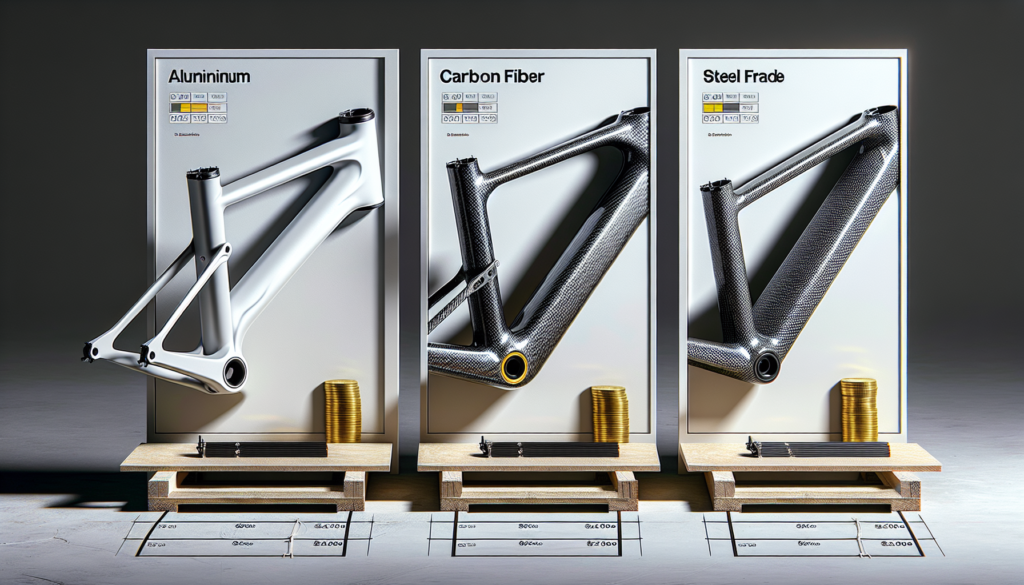
Carbon fiber, a relatively newer material in the world of bicycle frame manufacturing, has quickly gained popularity, especially in high-end e-bike models.
Renowned for its strength-to-weight ratio and customizability, carbon fiber frames offer distinct advantages and some considerations that are important for potential e-bike buyers to understand.
Properties of Carbon Fiber
- Strength-to-Weight Ratio: Carbon fiber stands out for its incredible strength-to-weight ratio. This means that frames can be both extremely light and exceptionally strong, a combination that is highly valued in e-bike design, particularly for performance-oriented models.
- Stiffness and Efficiency: Carbon fiber frames are very stiff, which translates into efficient power transfer from the rider to the wheels. This characteristic is particularly beneficial in e-bikes, as it complements the motor’s power, resulting in a responsive and agile ride.
- Vibration Damping: One of the unique attributes of carbon fiber is its ability to dampen vibrations. This results in a smoother ride, reducing fatigue and discomfort, especially on longer rides or rough terrains.
Customization and Design
- Moldability: Carbon fiber can be molded into almost any shape, allowing manufacturers to create aerodynamic and innovative designs that are not possible with materials like aluminum or steel. This flexibility opens up a realm of possibilities in terms of aesthetics and performance enhancements.
- Tailored Stiffness and Compliance: Manufacturers can lay the carbon fiber in specific ways to vary stiffness and compliance across different parts of the frame. This means areas of the frame can be designed to be more rigid or more flexible, depending on the desired ride characteristics.
Durability and Maintenance
- Impact Resistance: While carbon fiber is strong, it can be susceptible to damage from sharp impacts. If the frame is cracked or dented, it may not be as visibly apparent as with metal frames, which necessitates careful inspection after any significant impact.
- Repairability: Repairing carbon fiber can be more complex and costly than metal frames. While it is possible to repair, it often requires specialized knowledge and equipment.
Cost Considerations
- Higher Price Point: The manufacturing process and materials used in carbon fiber frames are more costly than those used for aluminum or steel frames. This results in a higher price point, often placing carbon fiber e-bikes in the premium market segment.
- Weight Savings vs. Cost: For some riders, especially those not requiring the high performance of carbon fiber, the cost-to-benefit ratio needs to be considered. The weight savings may not justify the extra cost for casual or commuter riders.
Environmental Impact
- Manufacturing and Recycling: The production process of carbon fiber is energy-intensive, and the material is less recyclable than metals like aluminum or steel. This poses environmental considerations for those who prioritize eco-friendly materials.
Summary
Carbon fiber frames represent the pinnacle of modern bicycle frame technology, offering unmatched strength, weight savings, and ride quality.
Ideal for those seeking top performance and efficiency, these frames cater to a segment of the e-bike market where cost is less of a constraint, and high performance is a priority.
However, for everyday use and for riders less focused on high efficiency and performance, other materials might offer a better balance of cost, durability, and practicality.
In the end, choosing a carbon fiber e-bike frame is a decision that should be weighed against factors like riding style, budget, and performance requirements.
Titanium Frames
Titanium, often referred to as the “dream material” for bike frames, including e-bikes, is renowned for its exceptional qualities combining the best attributes of both aluminum and steel.
Its rarity in the e-bike market is a testament to its unique blend of durability, weight, and ride quality. Here’s a closer look at what makes titanium frames a premium choice for e-bike enthusiasts.
Properties of Titanium
- Strength and Lightness: Titanium boasts a high strength-to-weight ratio, rivaling carbon fiber. It’s lighter than steel but stronger and more durable than aluminum, making it an ideal material for e-bike frames that need to support the additional weight of a battery and motor.
- Corrosion Resistance: One of titanium’s most notable features is its excellent resistance to corrosion. Unlike steel, it doesn’t rust, and unlike aluminum, it doesn’t require additional treatments or coatings. This characteristic makes titanium frames exceptionally long-lasting and low-maintenance, even in harsh weather conditions.
- Flexibility and Comfort: Titanium frames offer a unique combination of stiffness (for efficient power transfer) and natural flex (for shock absorption). This results in a ride that is both responsive and comfortable, smoothing out the vibrations and bumps encountered on various terrains.
Ride Quality
- Comfort and Resilience: The natural compliance of titanium gives it a distinct ride quality, often described as “springy.” This resilience translates into a comfortable yet lively ride, reducing rider fatigue over long distances.
- Handling and Stability: Titanium frames provide a balanced and stable ride, suitable for a wide range of e-bike styles, from mountain and touring to urban commuting.
Durability and Maintenance
- Longevity: The durability of titanium is one of its most compelling attributes. A titanium frame can last a lifetime, resistant to the stresses and strains of riding, as well as environmental factors like corrosion and wear.
- Ease of Maintenance: Unlike other materials that may require regular treatments or care, titanium frames are remarkably low maintenance, retaining their appearance and structural integrity over time with minimal upkeep.
Aesthetics and Design
- Unique Appearance: Titanium has a distinctive silvery finish that stands out in the e-bike market. Its appearance can be a significant draw for riders who value aesthetics alongside performance.
- Customization Potential: Like steel, titanium is highly workable, allowing for custom-built frames tailored to individual rider specifications. This bespoke approach is particularly appealing to enthusiasts and professional riders.
Cost and Availability
- High Price Point: The cost of titanium, due to both the material and the craftsmanship required to work with it, places it at the higher end of the e-bike market. It is generally considered a premium material for those willing to invest in its unique advantages.
- Limited Selection: Fewer manufacturers produce titanium e-bikes, leading to less choice in the market compared to more common materials like aluminum and carbon fiber.
Environmental Considerations
- Resource-Intensive Production: The extraction and processing of titanium are resource-intensive, with environmental impacts worth considering. However, its durability and longevity can offset this, as a titanium frame is likely to outlast those made from other materials.
Summary
Titanium frames in e-bikes offer a luxurious blend of durability, lightness, and unmatched ride quality.
Ideal for those seeking a lifetime investment and a unique riding experience, titanium stands out for its ability to combine the best qualities of other materials.
While its high cost and limited availability might be prohibitive for some, for enthusiasts who prioritize longevity, comfort, and a top-tier ride, titanium is an unrivaled choice.
Whether for high-performance racing, long-distance touring, or everyday commuting, a titanium e-bike frame offers a timeless appeal and enduring quality.
Check out this great article from our friends at Cyclist Hub: The 16 Best Titanium Bike Brands and Manufacturers
Pros And Cons of Different Ebike Frame Materials – Conclusion
Each material brings its unique set of characteristics to an e-bike. Aluminum and steel are common and offer a good balance between cost, weight, and durability.
Carbon fiber, while pricey, provides unparalleled performance and weight advantages, suitable for those seeking the best and most efficient ride.
Titanium, though less common, offers a unique blend of benefits for those willing to invest in its superior qualities.
When choosing an e-bike, consider how these materials align with your riding style, terrain, budget, and priorities.
Whether you prefer a smooth leisurely ride, a rugged mountain adventure, or an efficient commuter, there’s a frame material that’s just right for your needs.