

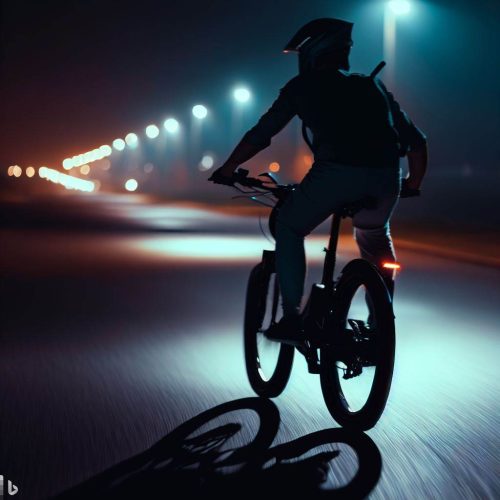
Safety takes the spotlight in our extensive guide for riding your electric bike at night. Discover the importance of bike lighting, reflective gear, and the right riding practices.
Oh, the joy of gliding through the city streets under a blanket of stars, feeling the cool night breeze against your face! Night biking holds a charm that’s quite different from daytime rides.
It can be exhilarating, peaceful, and adventurous all at once. Yet, with the thrill of night riding also come challenges, especially when we’re talking about electric bikes.
Safety takes center stage here, and it’s important to be well-prepared to handle any situation that may come your way.
The Growing Popularity of Electric Bikes
Electric bikes have been stealing the limelight for quite some time now. More and more people are adopting them for daily commuting, weekend escapades, and even for a leisurely evening ride around the neighborhood.
The simplicity of use and the ease of pedaling make them a hit amongst bike enthusiasts. But when it comes to riding your electric bike at night, there are unique considerations to keep in mind.
Understanding the Risks of Night Biking
Biking at night inherently comes with its own set of safety concerns. Lower visibility, recognition of obstacles, and being spotted by other road users are all concerns that keep bikers on their toes.
With electric bikes, these issues can get magnified, given their higher speeds and quiet operation. Therefore, understanding the risks associated with night biking and equipping yourself to handle them is key.
The Vital Role of Lighting
Let’s shed some light on this – quite literally! Your bike lights are your best buddies when it comes to night biking.
When you’re biking at night, having the right kind of lighting isn’t just a comfort feature – it’s an absolute necessity for your safety.
Lighting plays a vital role in both seeing and being seen when you’re out on the road in low light conditions.
Necessary Lighting: Headlights, Taillights, and Visibility Lights
The primary lights on any bike are the headlights and taillights.
Headlights illuminate the path ahead and enable you to see and navigate your way forward. While a bright, focused beam is essential for rural areas or roads without street lighting, an even spread of light can be more beneficial in well-lit urban settings.
It’s recommended to choose headlights with different brightness levels and beam patterns to handle various situations.
Taillights, on the other hand, alert vehicles coming from behind about your presence on the road. They typically use flashing modes to draw attention and should be bright enough to be seen from a distance.
In addition to these, visibility lights or side lights are essential for your overall visibility. These lights usually come in the form of small, mountable LED lights that can be attached to your bike frame or even your backpack.
They increase your visibility from the side, making you more noticeable at intersections where a head-on or rear view may not be possible.
Best Practices for Positioning and Usage
The effectiveness of your lights greatly depends on their correct positioning and usage. Here are some tips:
- Mount your headlight at handlebar level for an optimal lighting range. Avoid pointing it too high as it can dazzle oncoming traffic, and too low might not sufficiently light up the road.
- The taillight should be mounted at a position clearly visible from behind. The seat post is a common spot, but ensure it’s not obscured by any bags or panniers you might be carrying.
- Visibility lights should ideally be mounted at a height that falls in the line of sight of most drivers. The handlebars, forks, seat stays, or even your helmet are all good options.
Remember, always turn on your lights whenever visibility is poor, not just when it’s dark. This can include scenarios such as fog, heavy rain, or even at dusk when the sun is low and can potentially dazzle other road users.
Review of Top Electric Bike Lights in the Market
When choosing your bike lights, it’s important to consider factors like brightness (measured in lumens), battery life, ease of fitting, and durability.
Some top-rated electric bike lights in the market include models from brands like Light and Motion, Lezyne, and Cateye.
Some of these lights offer features like USB rechargeability, water resistance, and different lighting modes, providing a range of options for the discerning cyclist.
In conclusion, don’t underestimate the importance of good lighting when biking at night. It’s not just about your ability to see—it’s a matter of how well others can see you too.
And when you’re on an electric bike, with the potential for greater speed, this becomes even more critical.
Reflective and High-Visibility Gear
While lighting forms a critical part of your night biking safety kit, the story doesn’t end there. Reflective and high-visibility gear are equally essential for maintaining your safety and visibility on the road, particularly when you’re out riding your electric bike at night.
Importance of Visibility for Biker Safety
Unlike motor vehicles, bicycles don’t come with their own in-built lighting system, which makes bikers relatively harder to spot on the road, especially in low-light conditions.
This is where high-visibility and reflective gear comes in handy. They enhance your visibility to other road users by reflecting the light from their headlights back at them, thereby alerting them to your presence.
Types of Reflective Clothing and Accessories for Bikers
Reflective and high-visibility gear come in many forms, each designed to boost your visibility on the road.
Reflective clothing: Reflective jackets, vests, and pants have reflective strips that shine brightly when a light source hits them. They’re excellent for making your body stand out in the dark, and they provide 360-degree visibility.
Helmet reflectors: Helmet reflectors or decals are another excellent choice for visibility. Since your helmet is the highest point and usually in clear sight, it’s an ideal place for reflectors.
Reflective accessories: This includes items like reflective gloves, shoe covers, and backpack covers. Reflective tape can also be added to your bike itself, especially on the wheel rims and under the saddle.
LED armbands and ankle bands: These bands are worn around your arms or ankles. Their movement helps attract attention, and they have the added benefit of indicating the direction you’re moving in.
Top High-Visibility Gear Recommendations
When choosing your reflective gear, consider your biking environment, the weather conditions you’ll be riding in and your comfort.
For urban environments or places with heavy traffic, opt for high-visibility vests or jackets with wide reflective strips. Brands like Proviz and Rapha offer some excellent options designed specifically for cyclists.
For helmets, consider reflective decals or helmet covers with reflective elements. Brands like Fiks:Reflective and Salzmann offer various reflective stickers and tapes that can be customized to fit your helmet or your bike.
Reflective gloves and shoe covers not only provide visibility but also offer added protection against the elements. Look for options from Pearl Izumi, Gore Wear, or Sealskinz for a mix of visibility and weatherproofing.
Finally, for LED armbands or ankle bands, brands like BSEEN and Illumiseen offer durable and rechargeable options.
Remember, the goal of reflective and high-visibility gear is to make you as noticeable as possible to other road users. So don’t be afraid to mix and match different items until you find a combination that works for you and your riding conditions.
Optimizing Your Electric Bike for Night Use
When it comes to night rides on your electric bike, a little bit of optimization and preparation can go a long way towards ensuring a smooth and safe ride. Here are some aspects you should focus on:
Necessary Adjustments and Accessories for Night Riding
Adjust your bike’s settings: Some electric bikes come with customizable settings that allow you to adjust the bike’s performance. For instance, you may want to limit the top speed of your e-bike during nighttime rides for enhanced control and safety.
Install fenders: If you often ride in areas where there’s a likelihood of puddles or wet roads at night, installing fenders can help prevent water or mud from splashing onto your lights or clothing and hindering your visibility.
Consider a bell or horn: Due to reduced visibility at night, audible signals become particularly important to alert pedestrians or other bikers of your presence.
Best Practices for Electric Bike Maintenance for Night Safety
Regularly check your lights: This includes both your bike’s headlights and taillights. Ensure they are working properly and are clean. Dirt and grime can significantly decrease their effectiveness.
Inspect your brakes: Good brakes are crucial for safe night riding. Ensure they’re functioning well and are capable of stopping your bike efficiently.
Check your tires: Your tires should be in good condition and inflated to the correct pressure. This provides optimal grip, especially important during nighttime when spotting road hazards might be challenging.
Battery Management for Night Rides
Monitor your battery level: Running out of battery on a dark path or street is the last thing you want. Make sure your battery is fully charged before you set out. If you’re going for a long ride, consider carrying a spare battery.
Manage your power use: Using your bike’s lights and other electric features consumes battery power. Using a lower assistance level on your e-bike when you can, like on flat roads or downhill, can help preserve battery life for when you need it most.
Remember, optimizing your electric bike for night use is not just about improving your own comfort and safety but also about being considerate to other road users.
A well-prepared rider is a safe rider, so take the time to get your e-bike ready for those fun nighttime escapades.
Rules and Regulations for Night Biking
Yes, it’s thrilling to ride under the moonlight, but let’s not forget about the local laws and regulations related to night biking.
Every region has its own set of rules, and adhering to these can not only keep you safe but also keep you out of trouble. Remember, being a responsible biker is part of the fun!
You may also be interested in 10 Essential EBike Rider Safety Tips.
Safe Riding Practices at Night
Just as we adapt our daytime activities to the night, the same goes for riding practices too. Electric bikes can be ridden at higher speeds, but it’s best to take it slow when you’re biking at night.
Also, how you interact with other road users changes when the sun goes down. Patience and caution are your best pals on those moonlit roads.
Essential Night Biking Skills
While the thrill of night biking is undeniable, it does require some specific skills. Things like speed control, timely braking, and efficient obstacle spotting can make your night biking experience safer and more enjoyable.
Practice drills can come in handy to improve these skills. After all, practice makes perfect!
Frequently Asked Questions
Q: Are electric bikes safe to ride at night? A: Yes, electric bikes can be safe to ride at night, provided you take the necessary precautions. This includes using appropriate lighting, wearing high-visibility gear, following traffic laws, and maintaining your e-bike in top condition.
Q: How can I make myself more visible when riding my electric bike at night? A: There are several ways to enhance your visibility. Use bright headlights and taillights, wear reflective clothing or accessories, and consider adding visibility lights to your bike or gear. Movement catches the eye, so reflective bands on your moving parts (like ankles) can be particularly effective.
Q: How should I position my bike lights for optimal safety? A: Mount your headlight at handlebar level and point it slightly downwards to illuminate the path without dazzling oncoming traffic. The taillight should be mounted on the seat post or any place clearly visible from behind. Visibility lights can be added to the bike frame or your backpack.
Q: How can I preserve the battery life of my e-bike during night rides? A: Ensure your battery is fully charged before you set out. During your ride, manage your power use by using a lower assistance level when it’s safe to do so. Turn off any unnecessary lights and consider carrying a spare battery for longer rides.
Q: What type of clothing should I wear for night riding? A: Reflective clothing is recommended for night riding. This can include reflective jackets, pants, or vests. Reflective accessories like gloves and helmet decals can further enhance your visibility.
Q: What are some key skills needed for safe night biking? A: Good control of your electric bike is crucial. This includes being comfortable with turning, stopping, and riding at lower speeds. Awareness of your surroundings is also important, as hazards may be harder to spot at night. Lastly, being able to adapt quickly to changing conditions can significantly enhance your safety.
Riding Your Electric Bike at Night – Conclusion
Embarking on nighttime rides with your electric bike is an experience unlike any other. The tranquility, the cool breeze, and the sense of adventure make it an exciting prospect for any biking enthusiast.
But as the sun goes down, the inherent risks associated with biking can intensify, and thus, it becomes paramount to give safety the attention it deserves.
Throughout this article, we’ve delved into the essential tips and tricks that will help you navigate your night rides safely.
The open road at night is both a challenge and an adventure. With the right preparation, the right gear, and a solid understanding of best practices, it can be an incredibly rewarding experience.
As you set out on your after-dark journeys, remember these safety tips and tricks to make the most out of your ride while staying safe.
Here’s to countless safe, exhilarating night rides on your electric bike!