


So you’ve decided to take the plunge and invest in an e-bike, joining the millions who are embracing this eco-friendly mode of transportation.
But now you find yourself faced with a new challenge – how do I service my ebike? Don’t worry, we’re here to help you navigate through the ins and outs of e-bike maintenance and keep your ride in top shape.
Whether it’s checking the battery, cleaning the drivetrain, or troubleshooting common issues, we’ve got you covered.
Let’s dive into the world of e-bike servicing and ensure that you’re ready to hit the road with confidence.
Preparing for Bike Servicing
Gathering the necessary tools
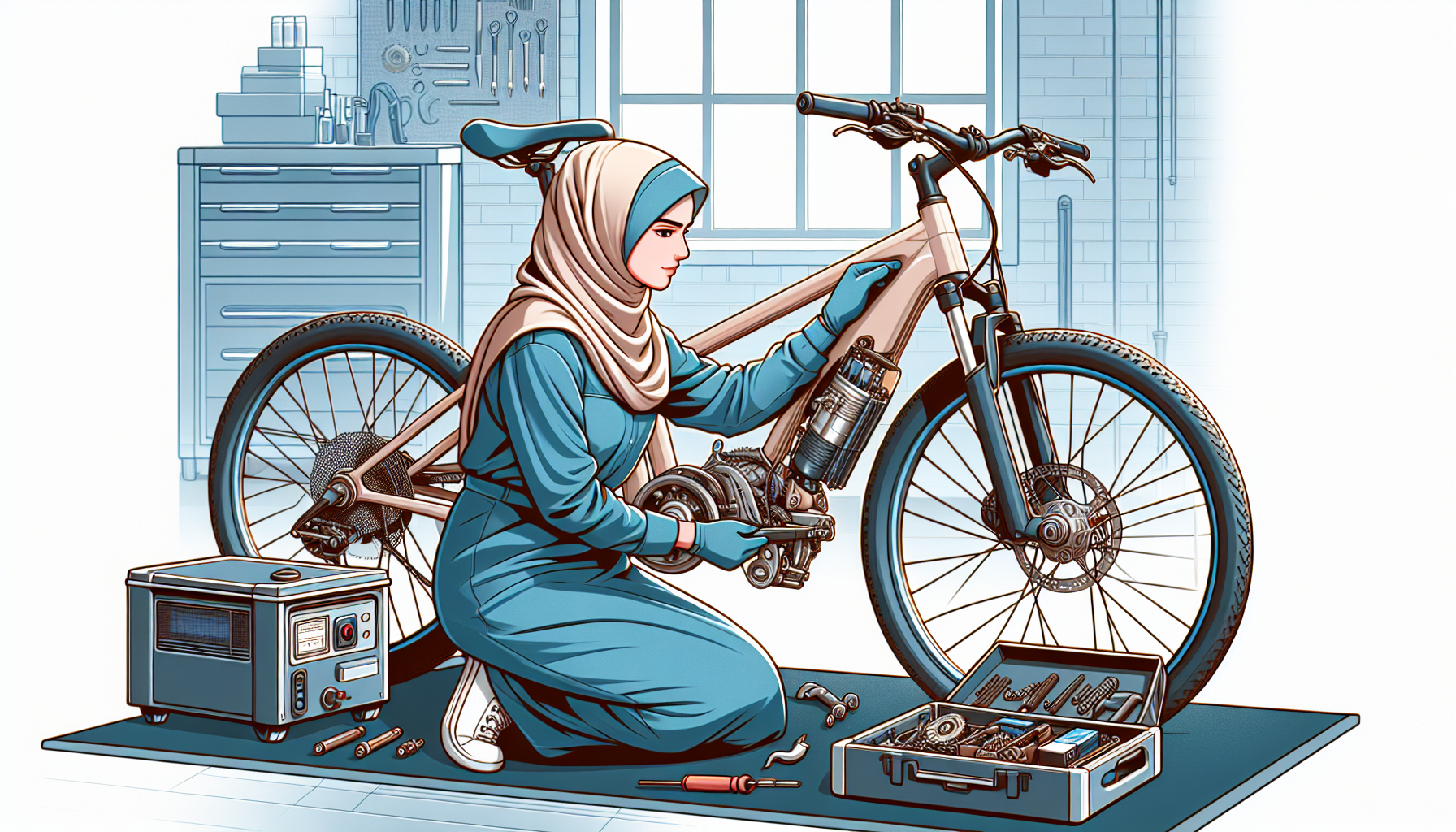
Before you start servicing your e-bike, it is important to gather all the necessary tools. This will ensure that you have everything you need within reach and avoid any interruptions during the process.
Some of the essential tools you may need include a set of Allen wrenches, a torque wrench, a chain cleaner, lubricants, a bike stand, a tire pump, and a cleaning brush.
Having these tools handy will make the servicing process much smoother and more efficient.
Identifying the service intervals
Every e-bike has specific service intervals recommended by the manufacturer. These intervals outline when different components of the bike need to be checked, cleaned, or replaced.
It is crucial to identify these intervals and follow them diligently to maintain the performance and longevity of your e-bike.
Service intervals usually include tasks such as checking the chain and brake pads, inspecting the frame for cracks, and cleaning the battery contacts.
By following the recommended service intervals, you can ensure that your e-bike remains in optimal condition.
Preparing the work area
Before you start servicing your e-bike, it is essential to prepare a clean and organized work area. This will make the process more efficient and reduce the chances of misplacing tools or components.
Find a well-lit area with enough space to comfortably maneuver around the bike. Use a bike stand to elevate the bike, which will make it easier to reach different parts.
Lay out all your tools and components within easy reach, ensuring that everything is easily accessible.
By setting up a proper work area, you’ll be able to perform the service tasks more effectively and with precision.
Cleaning and Maintenance
Cleaning the frame and components
Regularly cleaning your e-bike’s frame and components is crucial for its overall maintenance.
Use a mild detergent or specific bike cleaner along with a soft brush or sponge to gently scrub away dirt and grime. Pay close attention to hard-to-reach areas like the drivetrain and suspension components.
After cleaning, rinse off the soap thoroughly with water, ensuring no residue is left behind. Once dry, apply a bike-specific protectant to the frame to prevent corrosion and maintain its appearance.
Checking the tires and wheels
Proper maintenance of your e-bike’s tires and wheels is essential for optimal performance and safety.
Start by inspecting the tire pressure and ensure it matches the manufacturer’s recommendation. Adjust the pressure if necessary using a tire pump. Check the tire treads for wear and tear, and replace them if needed.
Additionally, inspect the wheels for any loose or damaged spokes and ensure they are properly aligned. Properly maintained tires and wheels will provide better traction, stability, and overall ride quality.
Inspecting and lubricating the chain
The chain is one of the most critical components of your e-bike. Regularly inspecting and lubricating it will ensure smooth gear shifting and prolong its lifespan.
Start by checking the chain for any signs of wear, such as elongation or rust. If the chain is worn out, consider replacing it. If not, thoroughly clean it using a chain cleaner and degreaser.
Once clean, apply a suitable chain lubricant, ensuring that each link is adequately coated. Excess lubricant should be wiped off to prevent attracting dirt and grime.
A well-maintained chain will enhance the overall performance and efficiency of your e-bike.
Brake System
Checking brake pads and calipers
The brake system is crucial for your safety while riding your e-bike. Regularly checking the brake pads and calipers will ensure optimal braking performance.
Inspect the brake pads for any signs of wear or unevenness. If the pads are worn down, they should be replaced immediately.
Check the calipers for proper alignment and ensure they are securely fastened. Additionally, inspect the brake rotors for any signs of damage or warping.
A well-maintained brake system will provide consistent and reliable stopping power.
Inspecting brake cables and levers
Properly functioning brake cables and levers are essential for responsive braking. Regularly inspect the brake cables for any signs of fraying or damage. If any issues are found, the cables should be replaced.
Ensure the brake levers have proper tension and return to their original position when released. If the levers feel loose or stiff, adjustments may be required.
Adequately maintained brake cables and levers will provide you with the confidence and control you need while riding your e-bike.
Adjusting brake system
Regular adjustments to the brake system are necessary to ensure optimal performance. Start by adjusting the brake pad position, ensuring they make even contact with the rim or rotor.
Next, adjust the brake lever reach to a comfortable position for your hand size. Test the brakes to ensure they engage smoothly and stop the bike effectively.
If you encounter any issues or if the brakes feel weak, consult a professional bike mechanic for further assistance.
Properly adjusted brakes will provide you with the necessary stopping power and control.
Drivetrain
Checking and adjusting gear shifting
Proper gear shifting is essential for a smooth and efficient ride. Start by inspecting the gear shifters for any signs of damage or wear.
Check the cables for fraying or slackness and make any necessary adjustments or replacements. Next, ensure that the derailleurs are properly aligned and functioning smoothly.
If you experience any issues with gear shifting, consult a professional bike mechanic to diagnose and fix the problem.
A well-maintained drivetrain will enhance your riding experience and ensure efficient power transfer.
Inspecting and replacing the cassette
The cassette is an integral part of your e-bike’s drivetrain. Regularly inspecting and replacing it when necessary will ensure optimal gear performance.
Inspect the cassette for any signs of wear, such as sharp teeth or skipping gears. If the cassette shows significant wear, it should be replaced promptly.
Removing and replacing a cassette requires specialized tools, so it is recommended to seek professional help if you are unsure of the process.
A well-maintained cassette will provide smooth and precise gear shifts.
Inspecting and replacing the chain
The chain works in conjunction with the cassette to ensure proper gear shifting. Regularly inspecting and replacing the chain will prevent accelerated wear on other drivetrain components.
Use a chain checker tool to measure the chain’s elongation and replace it if it exceeds the manufacturer’s recommended limit. Additionally, inspect the chain for any signs of rust or stiff links.
Replacing the chain in a timely manner will minimize wear on the cassette and prolong the lifespan of your drivetrain.
Battery Maintenance
Checking battery charge level
The battery is one of the most critical components of your e-bike. Regularly checking the battery charge level will ensure you have enough power for your rides.
Most e-bikes have a battery level indicator that displays the remaining charge. Plan your rides accordingly, considering the remaining charge and the desired distance.
It is also recommended to charge the battery before extended periods of inactivity to prevent deep discharge and battery degradation.
Cleaning battery contacts
To maintain optimal battery performance, it is essential to clean the battery contacts regularly.
Use a clean, dry cloth to gently wipe the battery contacts, removing any dirt, dust, or residue. Ensure the contacts are completely dry before reattaching the battery.
Clean contacts will ensure proper electrical connection and prevent any potential issues with the battery’s performance.
Storing the battery when not in use
If you plan to store your e-bike for an extended period, it is important to properly store the battery as well.
Remove the battery from the bike and store it in a cool, dry place away from direct sunlight and extreme temperatures.
It is recommended to store the battery at around 50% charge, as storing it fully charged or completely drained can lead to reduced battery life.
Additionally, check the battery periodically during storage to ensure it maintains its charge level.
Electronics and Display
Ensuring proper functioning of lights
Properly functioning lights are essential for your safety, especially when riding in low-light conditions.
Regularly check the lights on your e-bike to ensure they are working correctly. Test the front and rear lights, as well as any other auxiliary lights your bike may have. Replace any bulbs or batteries that are not functioning.
Properly functioning lights will enhance your visibility and allow other road users to see you clearly.
Checking and updating firmware
Many e-bikes come with firmware that can be updated to improve performance and fix any potential issues.
It is essential to periodically check for firmware updates from the manufacturer and install them as instructed.
Firmware updates can enhance the functionality of your e-bike’s electronics and ensure optimal performance.
Resetting error codes
If you encounter any error codes or warnings on your e-bike’s display, it is important to address them promptly.
Consult your e-bike’s user manual or contact the manufacturer to understand the meaning of the error code and take appropriate action.
In some cases, a simple reset of the system may resolve the issue. If the error persists, consult a professional bike mechanic for further assistance.
Suspension System
Checking air pressure and rebound
If your e-bike is equipped with a suspension system, it is crucial to regularly check the air pressure and rebound settings.
Refer to the manufacturer’s recommendations for the optimal air pressure, as it may vary depending on your weight and riding style. Use a suspension pump to adjust the air pressure accordingly.
Additionally, check the rebound settings and ensure they are properly adjusted. Well-maintained suspension settings will enhance your comfort and control while riding over rough terrain.
Inspecting and lubricating suspension components
Regularly inspecting and lubricating your e-bike’s suspension components will ensure smooth and responsive suspension performance.
Check the suspension forks and rear shock for any signs of damage, such as oil leakage or worn-out seals. If any issues are found, seek professional help for repairs.
Lubricate the suspension stanchions with a suspension-specific lubricant, following the manufacturer’s instructions.
Properly maintained suspension components will provide optimal suspension performance and enhance your riding experience.
Adjusting suspension settings
Depending on your riding style and preferences, you may need to adjust the suspension settings on your e-bike. This could include tweaking the compression and rebound damping, or adjusting the overall sag.
Refer to the manufacturer’s recommendations or consult a professional bike mechanic if you are unsure how to make these adjustments.
Well-tuned suspension settings will ensure a comfortable and controlled ride.
Wheel Alignment and Truing
Checking spoke tension
Regularly checking the spoke tension on your e-bike’s wheels is essential for optimal performance and durability. You can use a spoke tension meter or simply pluck each spoke to listen for consistent tension.
If any spokes feel loose or if you notice any noticeable deviations in sound, it may indicate a need for adjustment. Adjusting spoke tension should be done carefully, as improper adjustment can lead to further issues.
It is recommended to seek assistance from a professional bike mechanic for truing and tensioning the wheels.
Truing the wheels
Wheel truing is the process of aligning the rims so they spin without wobbling or rubbing against the brake pads.
While small deviations can be adjusted at home, it is best to consult a professional for more advanced truing tasks.
Using a wheel truing stand and spoke wrench, adjust the tension on the spokes gradually, targeting any areas where the wheel rubs or wobbles. Truing the wheels will ensure a smooth and stable ride.
Inspecting and replacing bearings
Regularly inspecting and maintaining the bearings on your e-bike’s wheels is essential for their longevity and smooth operation.
Inspect the wheel hubs for any signs of play or roughness. If you notice any issues, it may indicate a need for bearing replacement.
Replacing the bearings requires specialized tools and knowledge, so it is recommended to seek professional help if you are unsure of the process.
Well-maintained bearings will ensure smooth and efficient wheel rotation.
Frame and Components
Inspecting for cracks or damage
Regularly inspecting your e-bike’s frame and components is crucial for safety and longevity. Examine the frame for any signs of cracks or damage, especially around welds and high-stress areas.
Check the handlebars, stem, and other components for any signs of wear, such as excessive play or loose bolts. If any issues are found, consult a professional bike mechanic for repairs or replacements.
A well-maintained frame and components will ensure the structural integrity and performance of your e-bike.
You may also be interested in Pros And Cons of Different Ebike Frame Materials
Tightening loose bolts and screws
Over time, bolts and screws on your e-bike may become loose due to vibrations and general use. Regularly check and tighten any loose bolts or screws on your e-bike.
Use an appropriate torque wrench to ensure each bolt is tightened to the manufacturer’s recommended torque specifications. Be careful not to overtighten, as this can cause damage.
Tightening loose bolts and screws will prevent any potential issues caused by loose components.
Replacing worn out or damaged components
If you notice any components on your e-bike that are worn out, damaged, or no longer functioning properly, it is crucial to replace them promptly.
This can include components such as brake pads, cables, grips, saddles, or pedals. Replace them with compatible and high-quality replacements to ensure optimal performance and safety.
It is recommended to consult a professional bike mechanic for component replacements if you are unsure of the process.
Replacing worn-out or damaged components will ensure the overall reliability and functionality of your e-bike.
Safety Checks
Inspecting and adjusting the handlebars and stem
Ensuring that your e-bike’s handlebars and stem are properly adjusted is essential for rider comfort and control.
Regularly inspect the handlebars and stem for any signs of damage or wear. Check that the stem is securely fastened to the fork steerer tube and that the handlebars are aligned with the front wheel.
Make any necessary adjustments to the stem height and handlebar angle to achieve a comfortable riding position.
Properly adjusted handlebars and stem will enhance your control and handling of the e-bike.
Ensuring proper seat position and alignment
Having the correct seat position and alignment is crucial for rider comfort and efficiency. Regularly check the seat height and tilt to ensure they are set according to your preferences and riding style.
Adjust the seat post and saddle position accordingly. Ensure that the seat post is securely fastened and does not slide down during rides.
Riding with the correct seat position will prevent discomfort and potential injuries.
Checking the overall bike stability
Before hitting the road or trail on your e-bike, it is important to check the overall stability of the bike.
Start by placing the bike on a level surface and ensure that it stands upright without any wobbling or leaning to either side.
Test the bike’s stability by firmly pressing down on the handlebars and saddle, checking for any movement or play.
If you notice any stability issues, consult a professional bike mechanic for further inspection and adjustments.
Riding a stable bike will enhance your confidence and safety while on the road.
How Do I Service My Ebike – Conclusion
In conclusion, regular servicing and maintenance of your e-bike are crucial for ensuring its longevity, safety, and optimal performance.
Throughout this discussion, we’ve covered the essential aspects of e-bike servicing, which include regular checks and upkeep of the battery, motor, brakes, tires, and other mechanical components.
Understanding and adhering to these maintenance practices not only extends the life of your e-bike but also enhances your riding experience.
First and foremost, the battery, being the heart of your e-bike, requires special attention. Regular charging, proper storage, and keeping it clean and dry are key to maintaining its health and efficiency.
Similarly, caring for the motor, through cleanings and checks for any unusual noises or behaviors, ensures the smooth operation of your e-bike’s primary power source.
Mechanical components like brakes, gears, and tires also demand regular inspection and maintenance.
Checking brake pads for wear, ensuring gears shift smoothly, and keeping tires at the correct pressure are simple yet effective practices that contribute to a safe and enjoyable ride.
Additionally, we emphasized the importance of cleaning and lubricating your e-bike. Regular cleaning not only keeps your bike looking good but also prevents the build-up of grime and dirt that can wear down components.
Proper lubrication of the chain and moving parts reduces friction and wear, thereby prolonging the life of these components.
For more technical or complex issues, seeking professional servicing is advised. E-bikes, with their electrical systems and specialized components, sometimes require the expertise of a trained technician.
Regular professional check-ups can preempt major issues by addressing minor problems before they escalate.
Furthermore, staying informed about your e-bike’s specific maintenance needs and guidelines, as per the manufacturer’s instructions, is vital.
Each e-bike can have unique requirements, and being aware of these ensures that you are providing the best care for your specific model.
In summary, effective e-bike servicing involves a combination of regular home maintenance and professional check-ups.
By taking proactive steps to care for your e-bike’s battery, motor, mechanical and electrical components, you not only safeguard your investment but also ensure a safer, more efficient, and enjoyable cycling experience.
Remember, a well-maintained e-bike is a reliable and long-lasting companion on your cycling adventures.